Glomerular filtration rate (GFR): what the test shows and why it matters for athletes
The glomerular filtration rate (GFR) is the main indicator of kidney function. It is used to determine the stage of chronic kidney disease, adjust drug doses, and decide whether further workup is needed. In athletes, GFR has its own specifics: a large muscle mass, creatine, a protein-rich diet, and training affect the calculation and can create the illusion of “bad kidneys”. The editorial team explains how this indicator works and how to read it correctly.
What GFR is
The kidneys filter the blood through millions of tiny glomeruli — tangles of capillaries surrounded by a capsule. Under pressure, water, salts, glucose, urea, and other small molecules pass from the blood into the capsule, while proteins and blood cells remain in the vessels. The volume of plasma filtered per minute is what is called the glomerular filtration rate.
In a healthy young person the GFR is roughly 90–120 mL/min adjusted to the standard body surface area of 1.73 m². With age the indicator gradually decreases, which is a physiological process.
Measuring GFR directly is difficult: it requires administering special substances, for example iohexol or inulin, and collecting samples according to an exact protocol. Therefore in everyday practice an estimated GFR (eGFR) is used, which is calculated from the level of certain substances in the blood.
Most often the basis of the calculation is creatinine — a breakdown product of creatine phosphate in the muscles. It is produced relatively evenly, is freely filtered, and is almost not reabsorbed, so its level in the blood is inversely related to filtration.
How eGFR is calculated
The current standard is the CKD-EPI equation. The first version was published by Levey and colleagues in 2009, and in 2021 Inker and colleagues presented updated equations that do not take race into account, which are recommended for wide use.
The equations take into account the creatinine level, age, and sex. However, they were created on populations of ordinary people and assume an “average” muscle mass. A person who has significantly more muscle produces more creatinine, and the formula mistakenly interprets this as reduced filtration.
An alternative marker is cystatin C, a protein produced by practically all cells of the body at a relatively constant rate. Its level depends much less on muscle mass, which is confirmed, in particular, by the data of Baxmann and colleagues. The KDIGO guidelines recommend using cystatin C when the creatinine-based estimate may be inaccurate.
The most accurate estimated assessment is considered to be the combined equation based on creatinine and cystatin C. For athletes with a large muscle mass this is an especially useful tool before drawing conclusions about kidney condition.
GFR categories according to KDIGO
The international organization KDIGO divides GFR into six categories. A diagnosis of chronic kidney disease cannot be made from a single test: a GFR reduction below 60 or signs of kidney damage (in particular albuminuria) must persist for more than three months.
| Category (KDIGO) | GFR, mL/min/1.73 m² | Description |
|---|---|---|
| G1 | ≥ 90 | Normal or high |
| G2 | 60–89 | Mildly reduced |
| G3a | 45–59 | Moderately reduced |
| G3b | 30–44 | Moderately to severely reduced |
| G4 | 15–29 | Severely reduced |
| G5 | < 15 | Kidney failure |
Category G2 (60–89) without other signs of kidney damage, such as albumin in the urine or structural changes, is not considered chronic kidney disease. For an athlete with a large muscle mass, a result in this range is often an artifact of the calculation.
In addition to GFR, KDIGO assesses albuminuria — the ratio of albumin to creatinine in the urine. The combination of these two indicators determines the risk of disease progression and cardiovascular complications much more accurately than each one separately.
For elderly people, a reduction in GFR to category G2 is part of natural aging. Therefore interpretation must always take into account age, sex, and the clinical picture.
Why GFR matters for athletes
An athlete's kidneys work under conditions different from usual: dehydration in the heat, large salt losses, a high-protein diet, and the use of supplements and drugs. Monitoring GFR helps to notice a problem in time and, above all, not to mistake the norm for a disease.
- a large muscle mass raises creatinine and lowers eGFR;
- creatine as a supplement can moderately raise blood creatinine;
- a large amount of meat before the test temporarily raises creatinine;
- intense training and dehydration can temporarily reduce filtration;
- nonsteroidal anti-inflammatory drugs, especially against the background of dehydration, put strain on the kidneys.
As for creatine, the evidence base is reassuring. The study by Poortmans and Francaux and the ISSN position stand found no deterioration of kidney function in healthy people with long-term creatine intake in recommended doses. The rise in blood creatinine in this case reflects the metabolism of the supplement, not damage.
A more serious threat is rhabdomyolysis after excessive load, especially eccentric load and in the heat. Massive release of myoglobin from damaged muscles can cause acute kidney injury. The work of Clarkson and colleagues showed that even very high creatine kinase levels after training usually do not impair kidney function, but combined with risk factors the situation may change.
Anabolic steroids are worth mentioning separately. Cases of focal segmental glomerulosclerosis have been described in bodybuilders who used them, which can lead to a persistent reduction in GFR and proteinuria.
How to prepare for the test
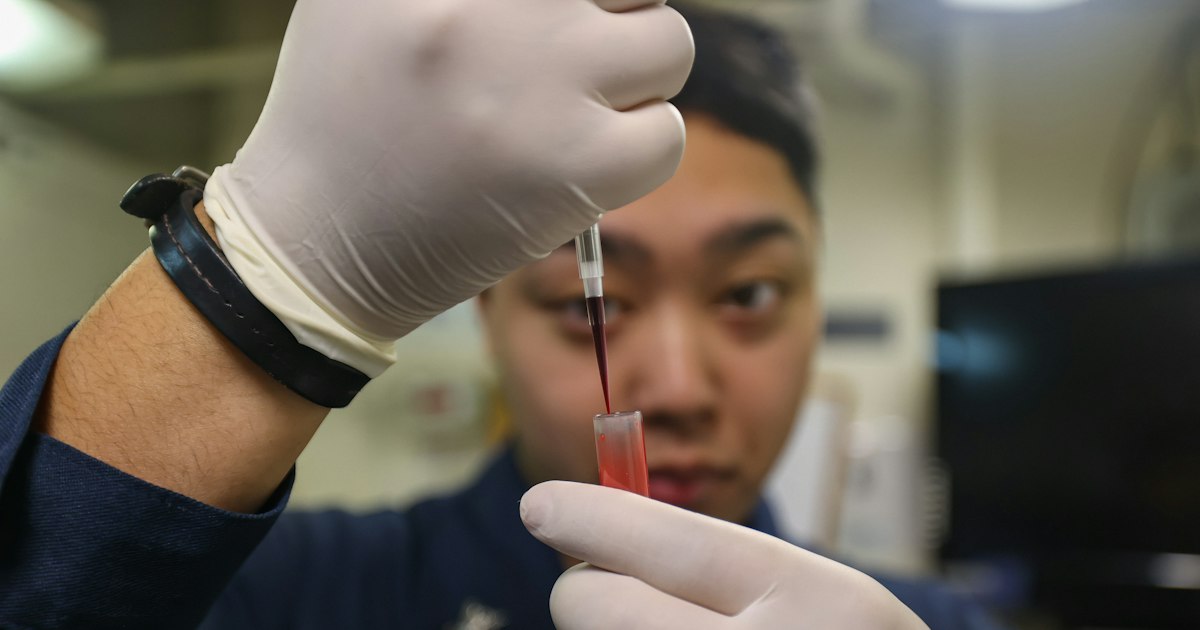
Blood for creatinine and cystatin C is taken on an empty stomach, in the morning. For 24–48 hours before the test it is worth avoiding intense training, and for a day — large portions of meat, especially boiled or fried, since it contains creatinine.
Hydrate well before the test: dehydration can temporarily raise creatinine. At the same time, do not drink excessively large volumes of water immediately before the blood draw.
Be sure to inform the doctor about taking creatine, protein, nonsteroidal anti-inflammatory drugs, and other medications. Some drugs, for example trimethoprim and cimetidine, suppress the tubular secretion of creatinine and raise its level without a real reduction in filtration.
If eGFR turns out to be reduced, the next logical step is to repeat the test under proper conditions, add cystatin C and a urinalysis with albumin assessment. Only after this can one speak of a real impairment of kidney function.
Editorial conclusions
GFR is a key indicator of kidney function, but in athletes its creatinine-based estimate is often falsely reduced because of a large muscle mass, creatine intake, and diet. This is not a reason to ignore the result, but a reason to check it correctly.
The most reliable path is a repeat test under standard conditions, adding cystatin C and assessing albuminuria. The real threats to an athlete's kidneys are dehydration, rhabdomyolysis, abuse of anti-inflammatory drugs, and anabolic steroids.
The editorial team also recommends materials on the causes of altered GFR in athletes, on creatinine and cystatin C as markers of kidney function, and on urinalysis.
References
- Kidney Disease: Improving Global Outcomes (KDIGO) CKD Work Group. KDIGO 2024 Clinical Practice Guideline for the Evaluation and Management of Chronic Kidney Disease. Kidney Int. 2024;105(4S):S117–S314.
- Levey AS, Stevens LA, Schmid CH, et al. A new equation to estimate glomerular filtration rate. Ann Intern Med. 2009;150(9):604–612.
- Inker LA, Eneanya ND, Coresh J, et al. New creatinine- and cystatin C-based equations to estimate GFR without race. N Engl J Med. 2021;385(19):1737–1749.
- Baxmann AC, Ahmed MS, Marques NC, et al. Influence of muscle mass and physical activity on serum and urinary creatinine and serum cystatin C. Clin J Am Soc Nephrol. 2008;3(2):348–354.
- Poortmans JR, Francaux M. Long-term oral creatine supplementation does not impair renal function in healthy athletes. Med Sci Sports Exerc. 1999;31(8):1108–1110.
- Kreider RB, Kalman DS, Antonio J, et al. International Society of Sports Nutrition position stand: safety and efficacy of creatine supplementation in exercise, sport, and medicine. J Int Soc Sports Nutr. 2017;14:18.
- Herlitz LC, Markowitz GS, Farris AB, et al. Development of focal segmental glomerulosclerosis after anabolic steroid abuse. J Am Soc Nephrol. 2010;21(1):163–172.
- Clarkson PM, Kearns AK, Rouzier P, Rubin R, Thompson PD. Serum creatine kinase levels and renal function measures in exertional muscle damage. Med Sci Sports Exerc. 2006;38(4):623–627.
Andriy Melnyk
A strength-sports coach and author of programs for beginner and intermediate levels. Writes about training planning.